Owners of batteries, power plants and larger sites
Can the battery earn money when we're not using it?
Yes. Statnett, the Norwegian grid operator, pays for batteries that stand ready to keep the grid in balance. We apply, arrange the agreement and keep an eye on it.
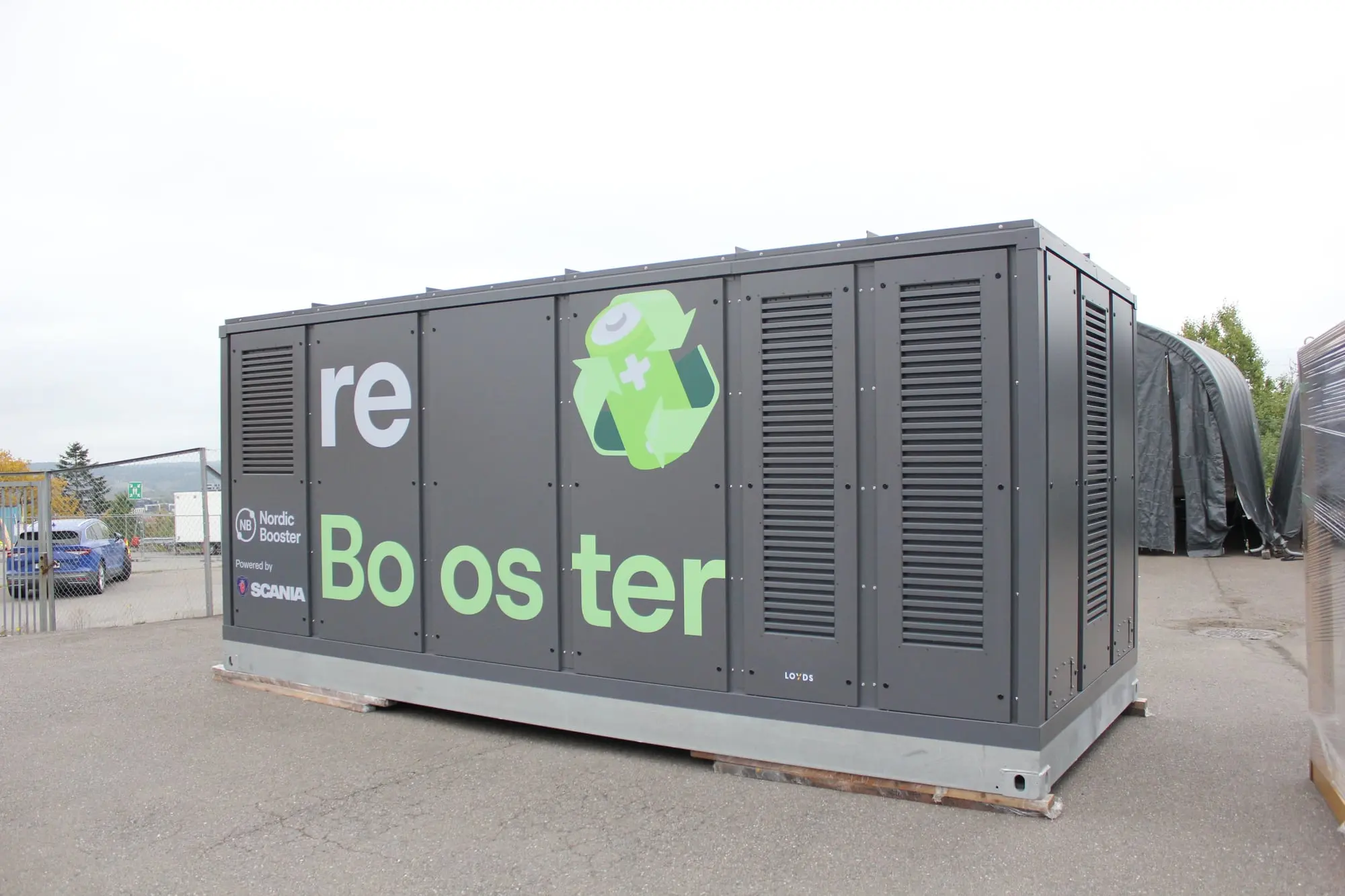
The battery earns when it is idle.
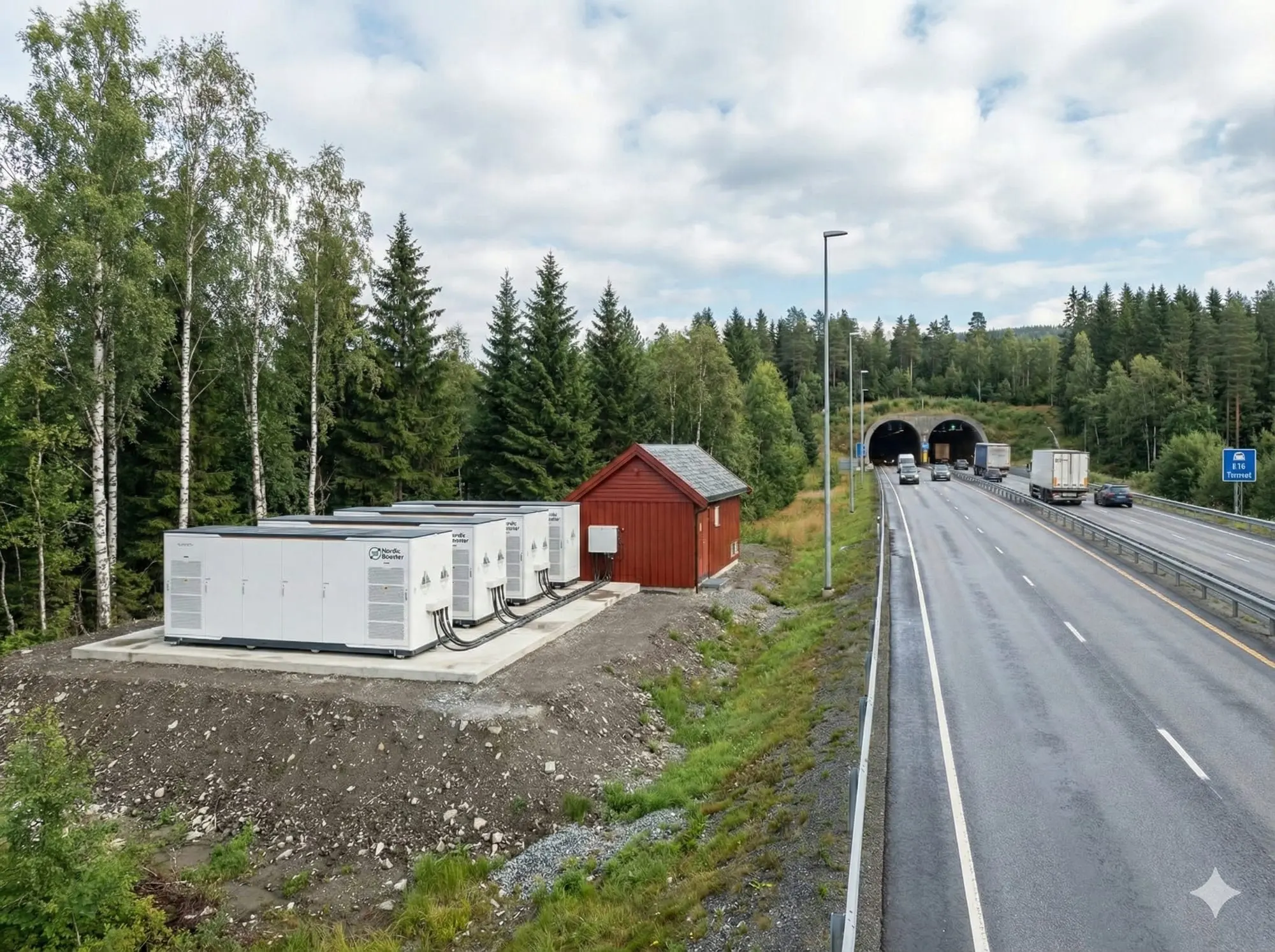
The battery does its own job first: taking the peak, charging the vehicles or storing solar power. In the hours it stands idle, it can stand ready for Statnett.
The grid must be in balance every second.
We must produce as much power as we use. If there is too much, the frequency rises above 50 hertz. If there is too little, it falls.
A battery corrects the deviation in seconds. It charges when there is too much power in the grid, and gives power back when there is too little. Statnett pays for it to stand ready. The same battery can help in three ways, and which one pays best changes from hour to hour.
Seconds
Frequency reserves
The battery responds by itself to the frequency the moment it moves. This is called FCR, and it is the battery’s most important job.
Minutes
Balancing
When the imbalance is larger, Statnett asks for more or less power. This is called mFRR. The battery is paid to stand ready.
Hours
Local flexibility
Some grid companies pay you to use less power in the busiest hours. The battery can take that on too.
We operate and optimise.
We don't just deliver the battery. We make the bids, control the battery when a bid is accepted, and keep the settlement in order.
We can bid on behalf of your electricity supplier. Or your electricity supplier bids itself, with our tool, and we make sure the site delivers.
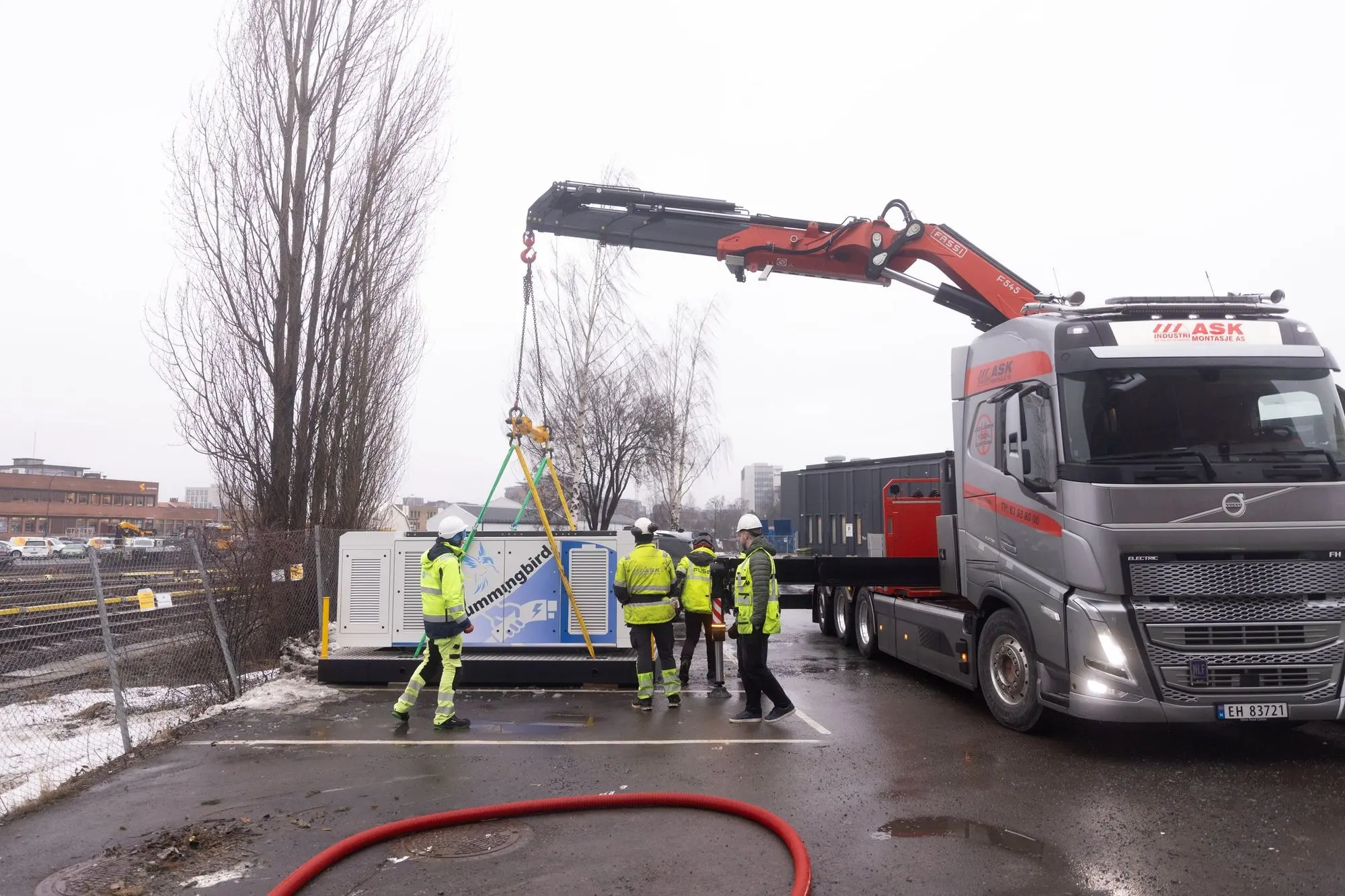
Helsfyr: first in Norway.
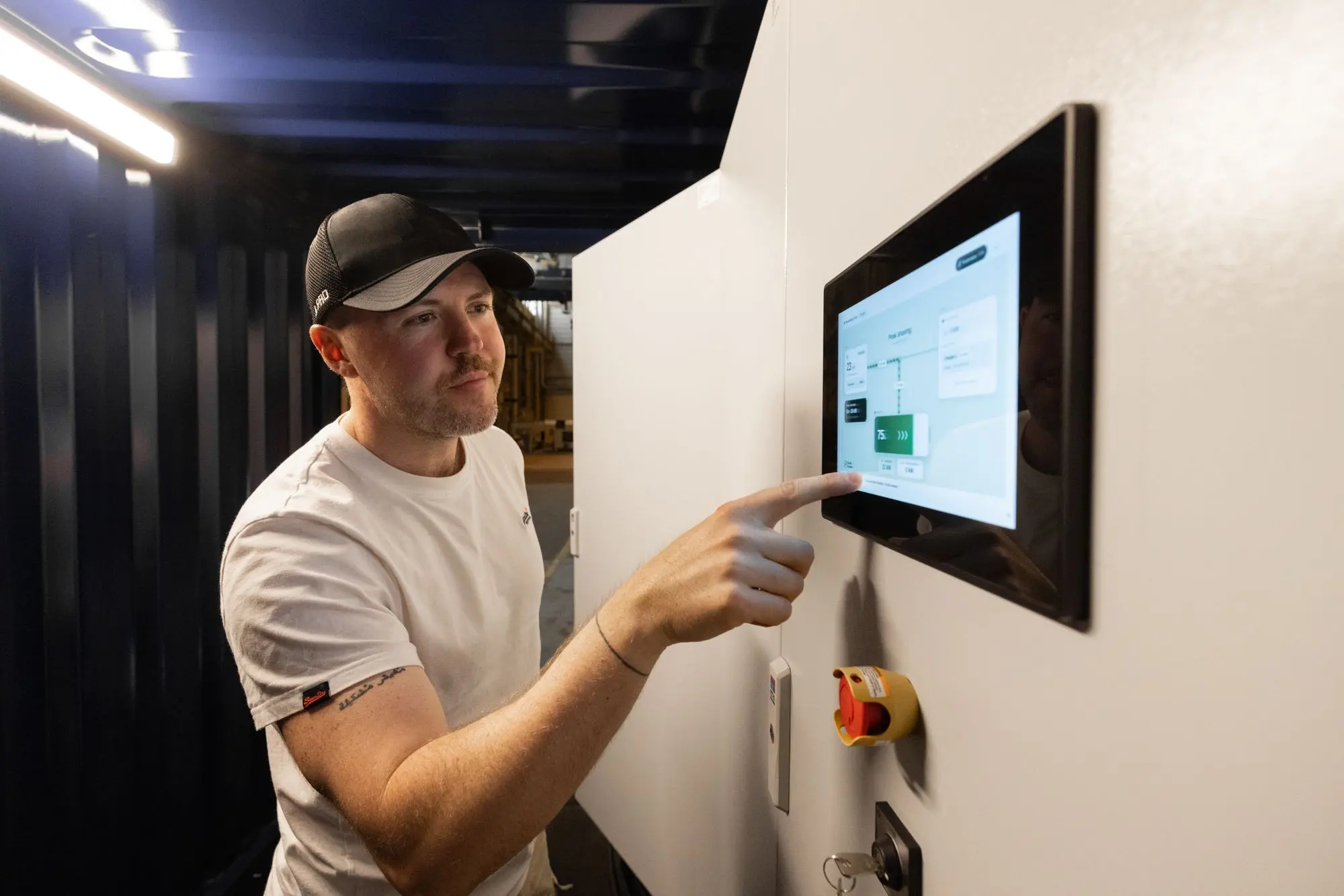
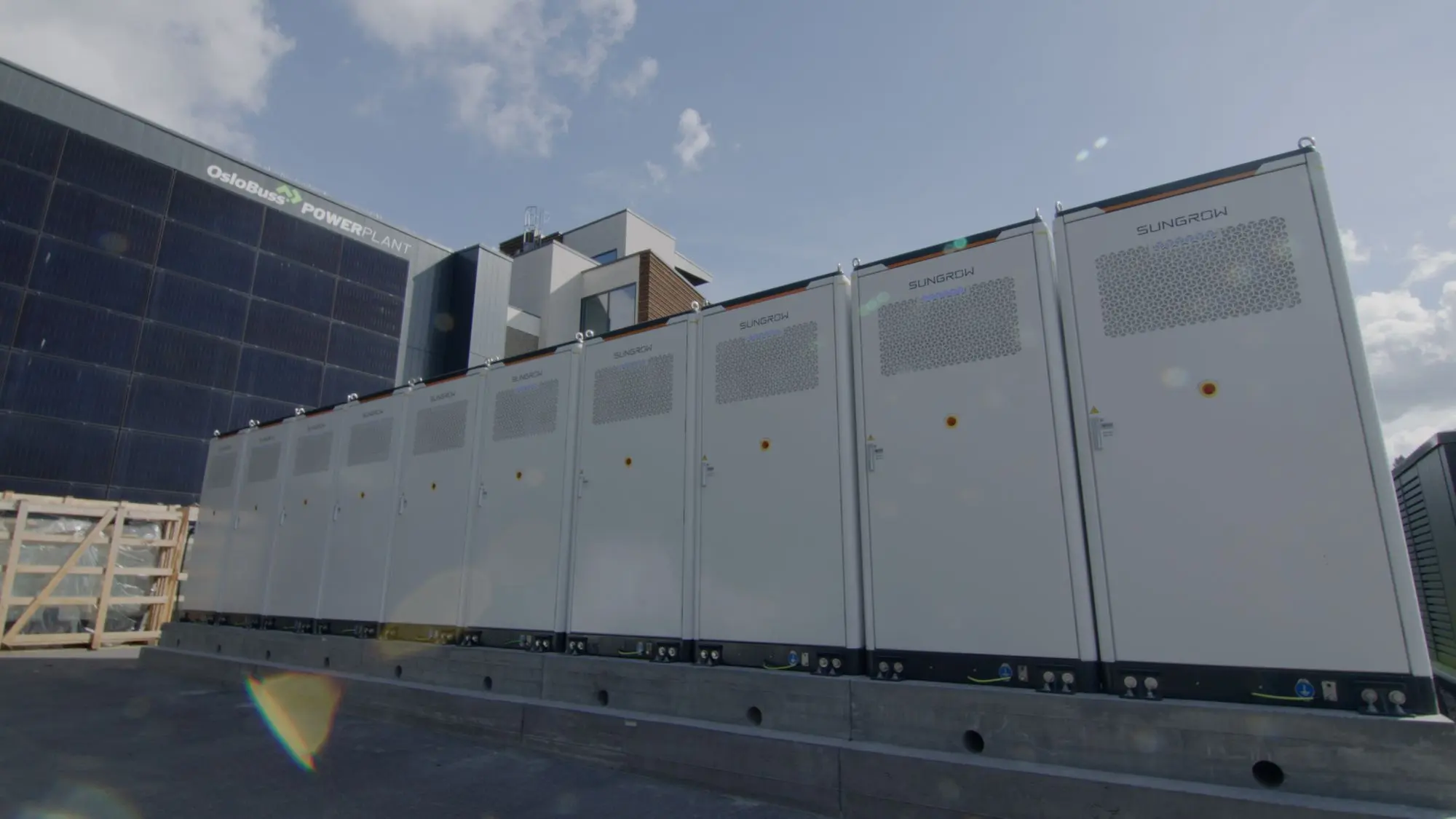
Together with Akershus Energi and FUSen, we built a pilot site at Helsfyr in Oslo. The battery charges vehicles, takes the peak and stores solar power.
In 2025, Statnett approved our control system, and the battery passed the first big test in the market. Now we are building the bridge between the market and the sites, across electricity suppliers.
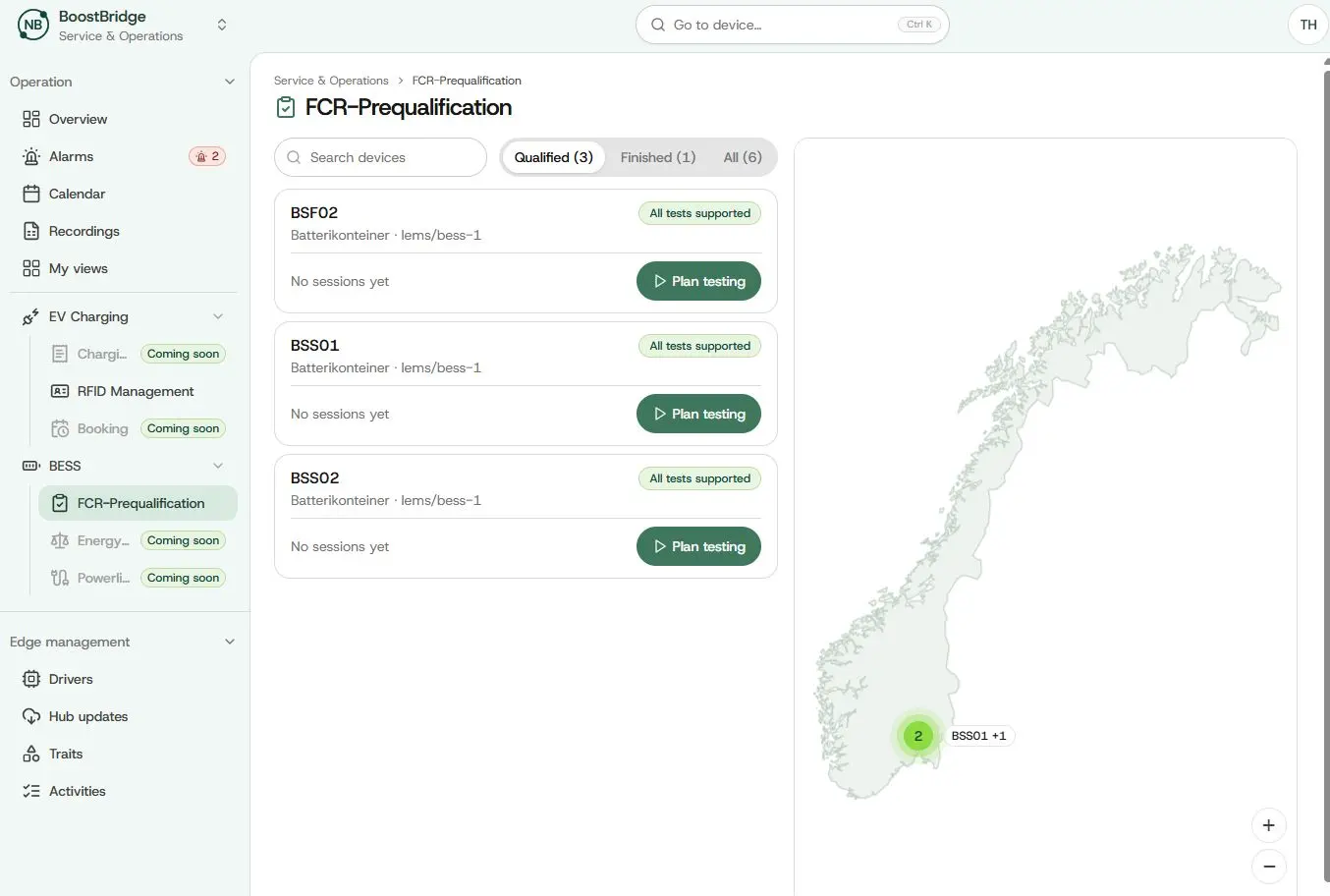
We build the bridge.
You don't need to learn any of it.
We check for room
Below 110 kV, Statnett allows at most 3 MW per grid area. We find out if there is room for you.
We apply and test
Energy management runs the tests Statnett requires, and stores the results.
We arrange the agreement
Your electricity supplier places the bids, or we do it on its behalf.
Energy management does the work
It responds every second. Your limit and your charging always come first.
What you choose now is not for ever.
The markets change, and the battery can switch jobs when the value moves. We keep an eye on it all the way. How we keep an eye on it.
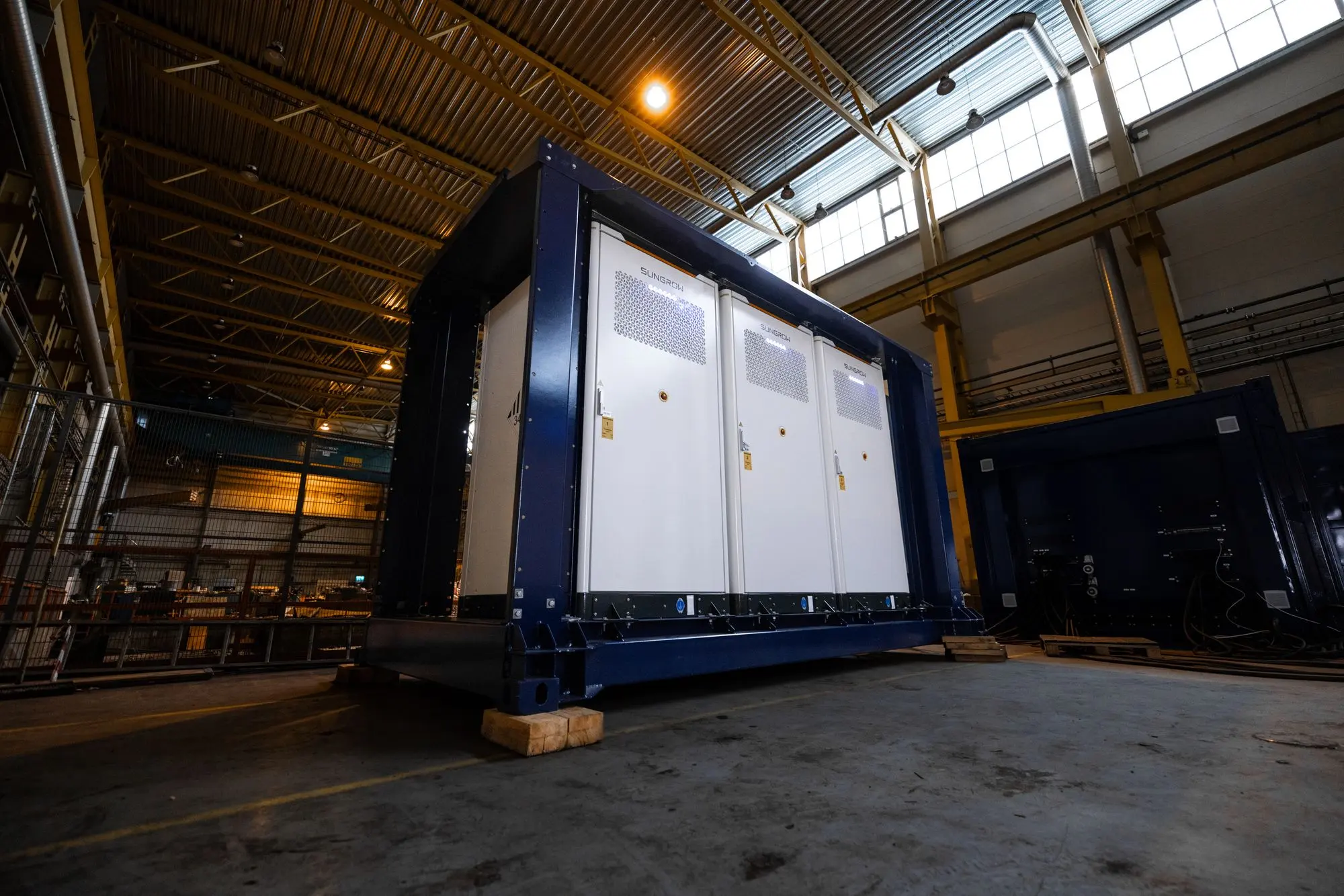
Built in modules
Start with what you need now. Add more chargers or more battery later.
We see your site all the time
With remote access we solve most things without driving out, often before you notice anything.
A service team that comes out
If someone needs to be on site, our own technicians come quickly, with parts from our stock.
Can your site take part?
Tell us where the site is, how big it is and who your grid company is. Then we check if there is room, and what it can earn.