Managing directors, finance directors and operations managers in industry and commercial buildings
Our grid fees are completely out of line.
The grid company only looks at the most expensive hour of the month. With control from Nordic Booster, the battery keeps that hour below a limit, automatically.
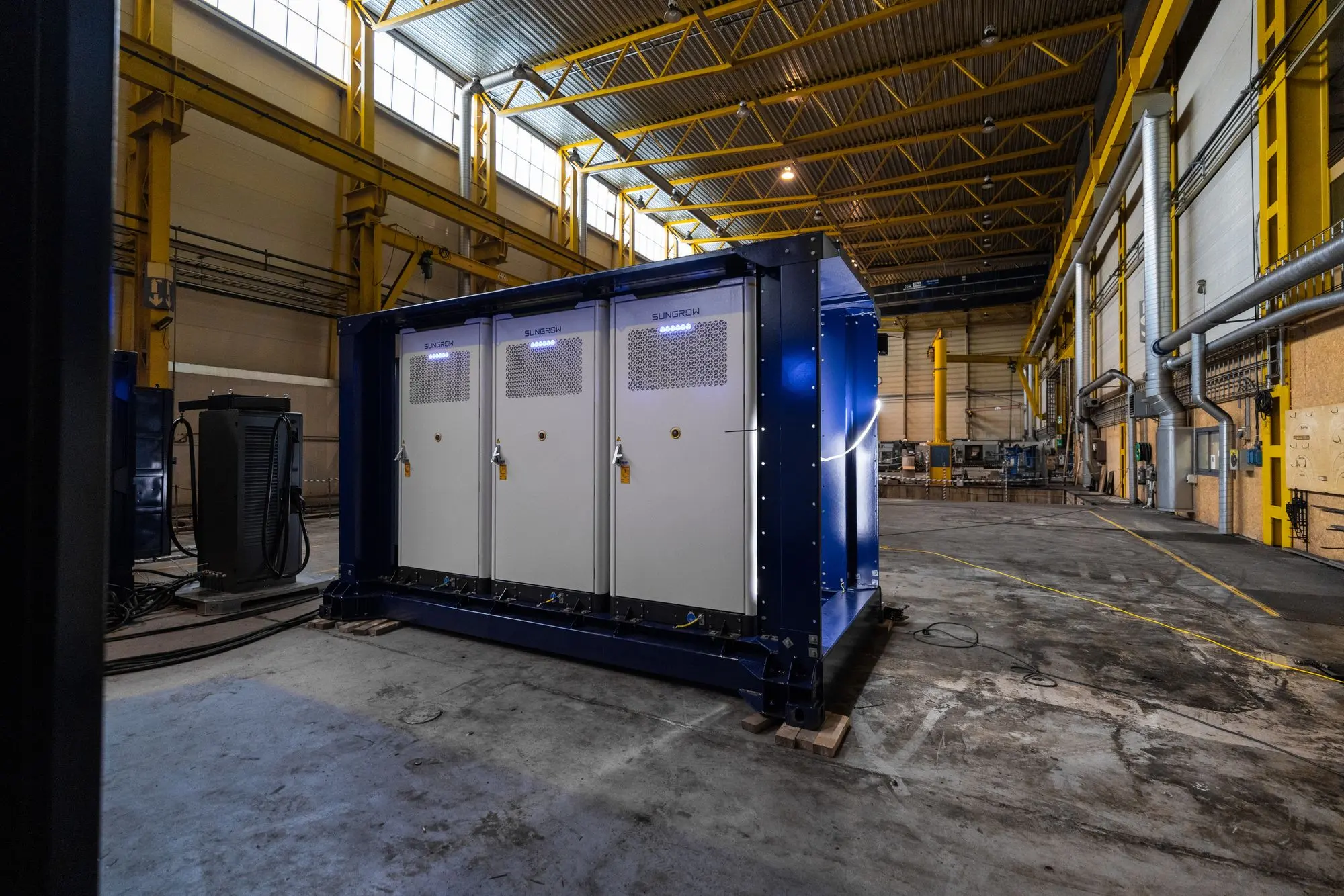

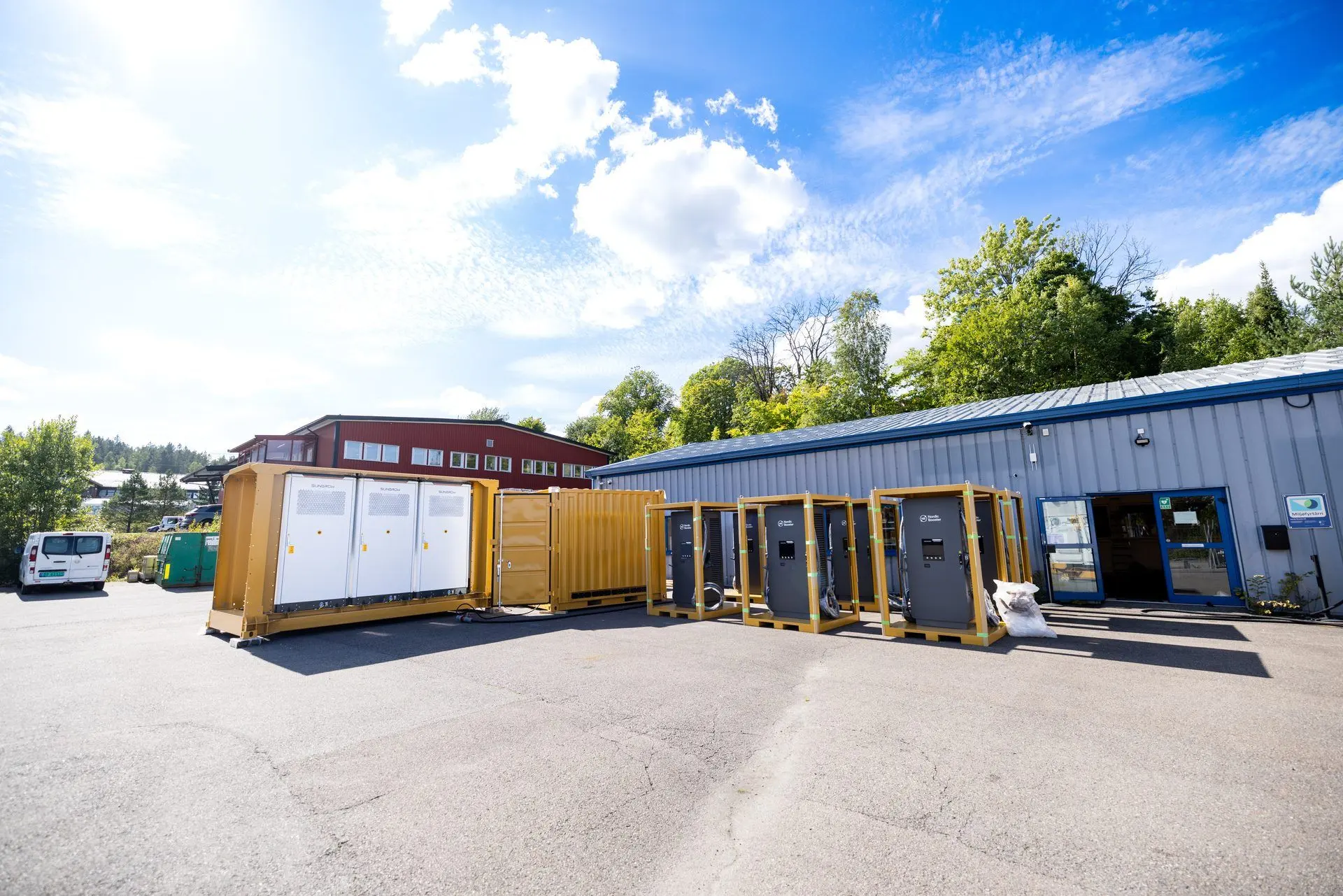
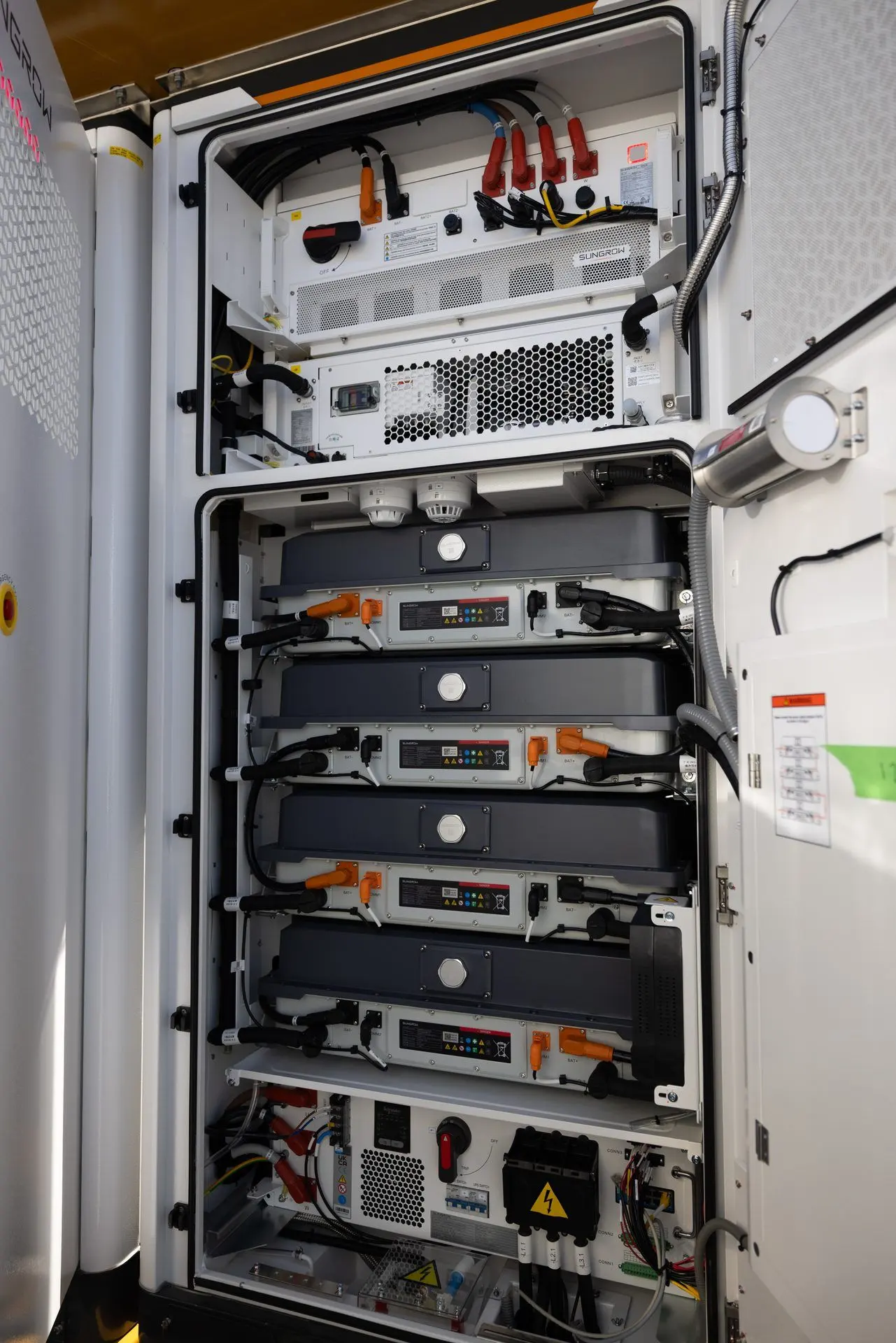
A lower peak. Automatically.
We put a battery behind your meter. Energy management keeps your draw below the limit every second, so you can get on with what you do best.
One hour decides the bill.
The demand charge is set by the hour of the month when you used the most power. It comes when you least expect it.
At the grid company Elvia, that hour costs NOK 111 per kilowatt in winter and NOK 46 in summer, after a 56 per cent increase in July 2026.
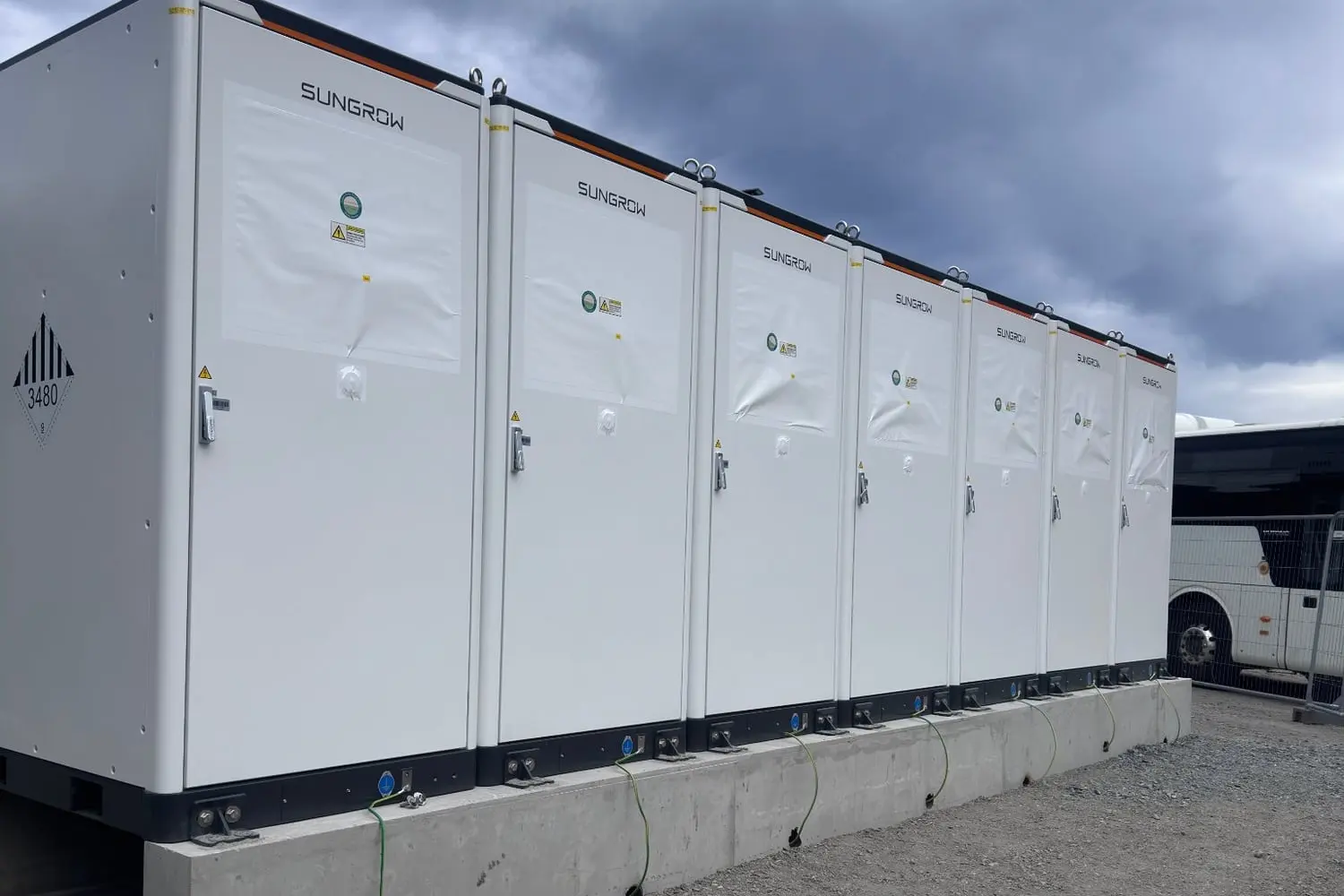
Oslo Buss: a 90 per cent lower peak.
The electric buses in Drammen charge many at a time. The battery takes the peaks, and energy management sets the limit itself.
The battery is also part of Euroflex, and is now waiting for approval for the reserve markets.
We do the whole job.
From the first conversation until the site is up and running.
We map your needs
What you need, when you need it, and what the grid can give. We fetch the meter data.
We get quotes and handle the applications
We compare suppliers and deal with the grid company, and with Statnett when needed.
We install and train your team
Our own technicians commission the site and show you how to use it.
We handle service and maintenance
Regular service on the battery and energy management, so the site lasts.
What you choose now is not for ever.
Start with the battery. If chargers or more load come later, we build on the same system. How we keep an eye on it.
What is your peak worth?
Give us permission to fetch your meter data, or send us one month yourself. You then get a power analysis: your peak, the limit we recommend and what you save per year.